Glow, Gather, Display: Crafting Captivating Candle Vignettes

Today we explore Styling Vignettes: Using Candle Vessels and Accessories to Elevate Decor and Aroma, celebrating how small, intentional groupings can transform any surface into a luminous story. Learn composition, balance, scent choreography, and finishing rituals that invite calm, intrigue, and daily delight. Along the way, you’ll pick up favorite tricks from stylists and heartfelt anecdotes from homes where a single flicker became the warmest welcome. Share your experiments, ask questions, and let the glow guide conversations.

The Rule of Three in Warm Light

Working in threes encourages visual harmony without stiffness, like a small conversation between friends that never talks over itself. Place a prominent candle vessel, a supportive object with texture, and a slender accent for height. Notice how shadows connect them, creating soft bridges across the surface. I keep a postcard nearby, tilting it until the grouping feels balanced, then removing it so space can speak. Suddenly, the trio feels inevitable, calm, and quietly persuasive.

Height, Texture, and Negative Space

Height variation breathes life into a vignette, while texture keeps the eye curious. A low stone vessel, a medium ceramic with a tactile glaze, and a tall brass taper establish cadence. Negative space is equally intentional; resist the urge to fill every gap. My most successful arrangements emerged after removing just one object, revealing a pause that made everything richer. Imagine the air around your pieces as part of the design, cradling light and guiding scent.

Guiding the Gaze with Subtle Triangles

Triangular compositions feel natural because they echo landscapes and architecture our eyes instinctively trust. Anchor the base with a grounded vessel, then let two supporting points rise at slightly different angles to avoid symmetry that stiffens the story. A delicate sprig, a candle snuffer, or a stack of coasters can tip the triangle toward organic elegance. Step back, squint gently, and confirm that no element shouts; the triangle should invite drifting attention, not command it.

Vessels with Character: Material, Form, Finish

The vessel frames the flame and shapes the personality of a vignette. Glass doubles brightness and reflects neighboring textures; ceramic introduces comforting tactility; metal and stone add gravitas and shadow play. Consider silhouettes that complement your furniture lines and finishes that converse with nearby objects. Vintage pieces tell layered stories; contemporary ones offer crisp punctuation. When a client saved her grandmother’s candy jar for a citrus candle, the resulting glow felt like music heard through memory.
Clear glass amplifies brightness and extends the candle’s perceived size, while tinted or ribbed glass introduces mood and movement. Faceting scatters reflections across trays and frames, especially near mirrors. Pair translucent vessels with matte accessories to prevent glare overload. I love smoky amber glass for evening calm; it mellows white walls and flatters wood grain. Clean glass frequently, since residue dulls sparkle and flattens contrast. A simple microfiber cloth revives the lake of light instantly.
Ceramic vessels carry fingerprints of their makers: subtle throwing rings, glazes that pool unpredictably, and rims that soften candlelight. Their visual warmth anchors airy compositions, especially on slick surfaces like marble or lacquer. Neutral stoneware suits linen and rattan; porcelain feels refined beside crystal. Consider how glaze reacts to flame glow—satin finishes diffuse, glossy ones echo. After a rainstorm, I favored speckled cream stoneware that echoed the sky’s grainy hush. The room exhaled, deeply satisfied.
Brass and bronze gently tarnish, yielding patina that romances warm wax tones. Polished nickel throws sharper reflections, ideal for crisp, modern rooms. Honed marble and soapstone introduce cool weight that steadies feathery blooms or delicate tapers. Stone’s subtle veining becomes a quiet map for placement; follow lines to suggest direction. I once nested a petite onyx cup into a brass saucer, and the duet felt like moonlit jazz—measured, intimate, and undeniably elegant.

Trays and Bases That Provide Calm Boundaries
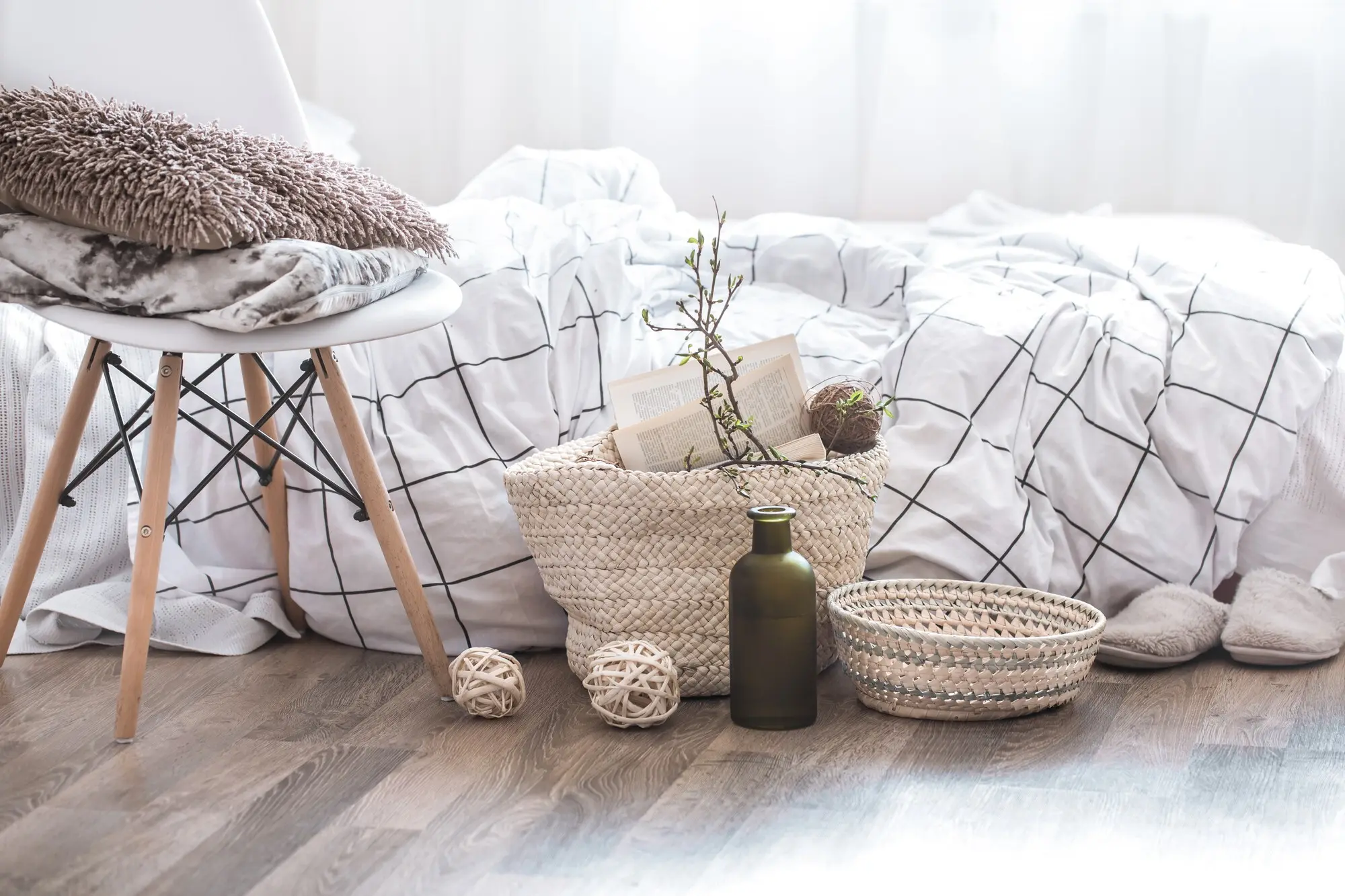
A tray is a frame for flame, taming clutter and declaring intention. Use leather for warmth, rattan for breezy texture, marble for elegance, or mirrored glass for doubling light. Round trays soften strict furniture lines; rectangles impose useful order. Layer a linen napkin or parchment to quiet noisy finishes. I sometimes place a low pedestal under the hero candle, letting companions orbit gracefully. The tray becomes a stage where light performs without drifting into distraction.

Cloches and Domes for Theatrical Reveals

A glass cloche traps anticipation along with scent molecules, releasing a concentrated first impression when lifted. Choose heights that clear your tallest vessel and leave breathing room to avoid smudges. Condensation can cloud glass; allow cooling before covering. I adore the tiny gasp from guests when a dome uncovers warm cedar and orange peel. It feels intimate, like opening a handwritten letter. Store cloches nearby to invite repetition, turning a simple light into an intentional ceremony.

Tools as Beautiful, Useful Talismans

Wick trimmers keep flames clean and sized for optimal burn; snuffers prevent smoke bursts and wax splash; match strikers turn utility into sculpture. Choose finishes that echo vessels, creating effortless cohesion. A blackened steel set whispers minimalist craft, while brass tools add antique charm. Place them within easy reach to encourage mindful care. When tools feel special, people slow down. That pause, between intention and spark, is where aroma, decor, and memory find each other.

Designing with Fragrance: Layering and Throw

Scent architecture shapes how a space feels before anyone notices objects. Map base, heart, and top notes like color harmonies, mindful that throw, diffusion, and airflow alter perception. Pair complementary families—woods with citruses, florals with musks—then fine-tune intensity with reed diffusers, wax melts, or single-note boosters. Avoid clashes that fatigue the nose, and rotate seasonally to refresh attention. Keep journals of pairings that moved you; scent memory, once charted, becomes a compass for future arrangements.

Care, Safety, and Lasting Rituals

Good habits preserve vessels, protect surfaces, and keep aromas faithful to their formulas. Trim wicks to a quarter inch, burn long enough to set the wax memory, and avoid drafts that lean flames and smoke walls. Use heat-resistant bases and mind reach from linens or foliage. Extinguish with a snuffer, not breath, to prevent soot and errant ash. Maintenance becomes a ritual of respect, and respected objects give more generously—clearer light, truer scent, and calmer evenings worth returning to.

Safe Distances and Stable Foundations

Stability is elegance in disguise. Keep flames at least a foot from drapes, paper, or artworks, and avoid stacking books directly under burning vessels. Choose weighty trays or coasters with small rims to catch micro-spills. Test surfaces for heat transfer when introducing new vessels; some stones conduct more than expected. I learned this after a faint ring appeared on a vintage table; a simple cork layer prevented repeats. Safety, tended early, fades into reassuring background silence.

Nurturing Wicks and Wax Memory

A candle remembers its first burns. Let wax pool edge to edge to prevent tunneling, and trim wicks before every relight for calmer flames. Mushrooming indicates excess carbon; snip gently and relight after cooling. Keep debris clear so fragrance remains pure. When I taught a friend this ritual, her favorite rose candle lasted weeks longer, staying bright and faithful. Caring hands reward the future, protecting vessels from residue and maintaining that magnetic, steady glow people gather around.

Extinguishing with Grace, Not Smoke

Blowing out a candle can stir soot and splash softened wax. Lower a snuffer slowly to starve the flame of oxygen, then lift carefully to avoid suction marks. Alternatively, dip the wick into melted wax and straighten it quickly with a tool. The room keeps its clarity, aroma lingers kindly, and the vessel remains spotless. Teach guests the gesture; they usually smile at the small ceremony. Tiny courtesies multiply, turning light into hospitality that lingers after footsteps fade.


Occasions and Spaces: From Entryway to Garden

Adapt vignettes to context, honoring scale, circulation, and conversation. An entry console benefits from bold presence and quick-signal fragrance; coffee tables appreciate lower profiles for sightlines; bedside demands quiet comfort and soft throw. Dining settings favor unscented or minimal blends so food leads. Bathrooms welcome spa notes and humidity-safe tools; gardens invite lanterns and wind-savvy placements. Rotate accents seasonally and celebrate milestones with poetic details. Share photos of your proudest surfaces; your discoveries often inspire someone’s next favorite corner.
Torazeralivopalozunonarisavi
Privacy Overview

This website uses cookies so that we can provide you with the best user experience possible. Cookie information is stored in your browser and performs functions such as recognising you when you return to our website and helping our team to understand which sections of the website you find most interesting and useful.